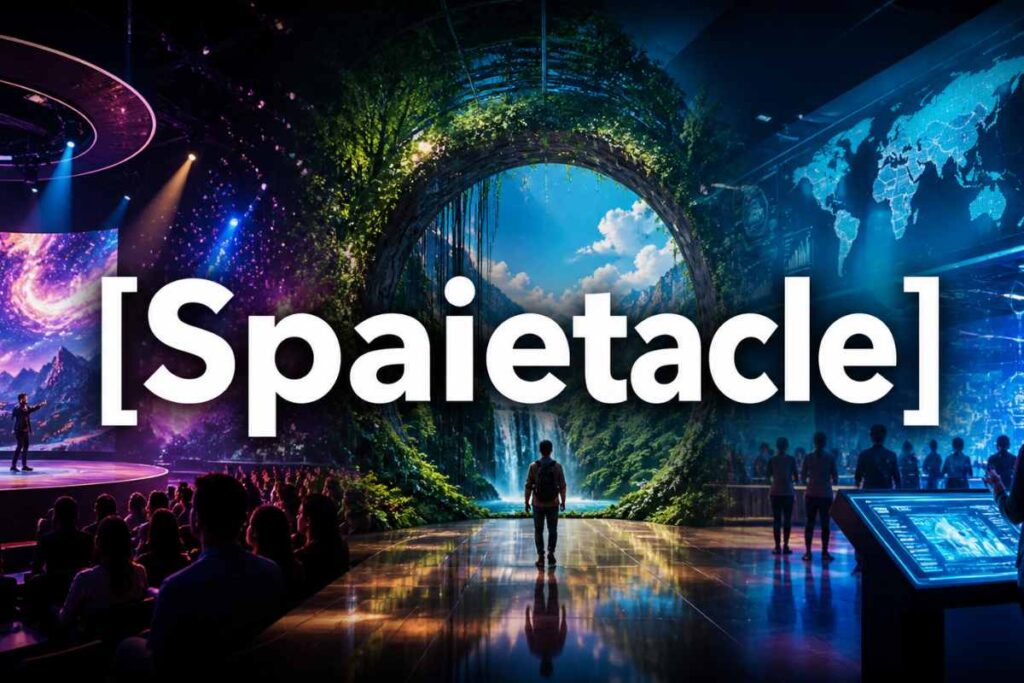
In a digital world filled with constant noise, grabbing attention is no longer enough. People want to feel something. That’s where spaietacle comes in. This emerging concept focuses on creating immersive, emotionally engaging experiences that go beyond simple visuals or static content.
At its core, this approach transforms ordinary spaces, content, and interactions into something memorable. Whether it’s a website, a live event, or a retail store, the goal is the same: turn passive viewers into active participants. In this guide, you’ll learn what it means, why it matters, and how to apply it effectively.
What Is Spaietacle? (Clear Definition)
Simple Meaning of Spaietacle
Spaietacle is an experience design approach where space, storytelling, and sensory elements combine to create immersive and emotionally engaging environments.
Origin of the Concept (Space + Spectacle)
The term blends space and spectacle. It reflects the idea that environments are no longer just backgrounds. Instead, they actively shape how people feel, interact, and remember an experience.
How Spaietacle Differs from Traditional Design
Traditional design focuses on appearance and function. This concept goes further by adding:
- Emotional depth
- Interaction
- Narrative flow
Rather than just presenting information, it creates a journey.
Key Characteristics of Spaietacle
Visual and Sensory Impact
Strong visuals, lighting, sound, and motion work together to capture attention instantly.
Audience Interaction and Participation
Users don’t just watch—they engage. They click, move, explore, and respond.
Emotional and Cognitive Engagement
The goal isn’t just attention, but emotional connection and mental involvement.
Story-Driven Environments
Every element supports a larger narrative, even if subtle.
Integration of Space and Experience
Physical or digital environments become part of the story itself.
Why Spaietacle Matters in the Modern Digital World
Changing User Behavior and Short Attention Spans
People scroll quickly. Static content often gets ignored. Immersive experiences slow users down and hold attention longer.
Demand for Memorable Experiences
Users remember how something made them feel, not just what they saw.
Rise of Social Media and Shareable Content
Visually striking and interactive experiences are more likely to be shared.
Importance in Competitive Digital Environments
Brands and creators need differentiation. This approach provides a clear edge.
Core Elements of a Spaietacle Experience
Space as the Foundation
Physical Spaces
Includes architecture, layout, lighting, and movement paths.
Digital and Virtual Spaces
Websites, apps, and virtual environments where users navigate and interact.
Spectacle as the Visual Layer
Design, Lighting, and Motion
High-impact visuals, animations, and lighting create the “wow” factor.
Story as the Emotional Journey
Narrative Flow and Meaning
Even without a traditional story, there should be a clear emotional progression.
Interaction as Engagement
User Participation and Responsiveness
From simple clicks to full immersion, interaction makes the experience alive.
Technology as an Enabler
Role of AR, VR, AI, and Interactive Tools
These tools enhance immersion but should support the story, not replace it.
The Shift from Passive Viewing to Active Experience
Traditional Content vs Spaietacle Approach
| Aspect | Traditional | Spaietacle |
| Role of user | Viewer | Participant |
| Engagement | Low | High |
| Memory impact | Weak | Strong |
Role of User Participation
When people interact, they feel involved. That involvement increases attention and retention.
Creating Emotional Memory
Emotional experiences are easier to remember. This is what makes the approach powerful.
Psychological Impact of Spaietacle
How Humans Process Visual Experiences
The brain prioritizes movement, contrast, and novelty. Immersive design taps into these triggers.
Emotional Memory and Recall
Studies show emotional experiences are remembered longer than neutral ones.
Attention and Engagement Triggers
- Motion
- Sound
- Interactivity
- Surprise
Sensory Stimulation and Immersion
Engaging multiple senses creates deeper involvement and stronger recall.
Real-World Examples of Spaietacle
Events and Live Performances
Concerts today use lighting, visuals, and stage design to create full experiences—not just music.
Retail and Brand Experiences
Modern stores use atmosphere, layout, and storytelling to influence perception and buying behavior.
Digital Platforms and Interactive Websites
Websites with animations, scroll effects, and storytelling create longer engagement times.
Museums and Immersive Installations
Interactive exhibits allow visitors to explore rather than just observe.
Applications of Spaietacle Across Industries
Marketing and Branding
Brands create experiences that communicate values, not just products.
Content Creation and Social Media
Interactive posts and visually rich content perform better.
Entertainment and Live Events
Events become immersive environments rather than passive shows.
Education and Learning Environments
Interactive learning improves retention and engagement.
Architecture and Spatial Design
Spaces are designed to influence mood and behavior.
Benefits of Using Spaietacle
Increased Engagement
Users spend more time interacting with immersive experiences.
Stronger Brand Recall
Emotional connection leads to better memory.
Improved User Experience
Clear structure and interaction make content easier to navigate.
Higher Shareability and Virality
People share experiences that feel unique and engaging.
Emotional Connection with Audience
This strengthens loyalty and trust.
Spaietacle vs Traditional Content and Design
Key Differences in Approach
Traditional methods focus on delivering information. This approach focuses on delivering experiences.
Engagement Levels Comparison
Interactive environments outperform static ones in user engagement.
Experience vs Information Delivery
Information informs. Experience connects.
Spaietacle vs Existing Concepts
Spaietacle vs Immersive Design
Immersive design focuses on depth. This concept adds storytelling and emotional layering.
Spaietacle vs Experiential Marketing
Experiential marketing is campaign-based. This approach applies across all touchpoints.
Spaietacle vs User Experience (UX) Design
UX focuses on usability. This concept blends usability with emotional impact.
How to Create a Spaietacle Experience
Step 1: Define Purpose and Audience
Understand who you’re targeting and what they need.
Step 2: Design the Experience Journey
Map out how users will move through the experience.
Step 3: Add Visual and Sensory Layers
Use visuals, sound, and motion strategically.
Step 4: Integrate Interaction
Allow users to engage, not just observe.
Step 5: Align Technology with Story
Use tools to enhance, not dominate.
Step 6: Test and Optimize
Gather feedback and improve continuously.
Measuring the Success of Spaietacle
Engagement Metrics
- Time on page
- Interaction rate
- Scroll depth
User Retention and Behavior
Track how long users stay and return.
Conversion and Business Impact
Measure how experiences influence actions.
Feedback and User Experience Signals
Surveys and behavior data provide insights.
Common Mistakes to Avoid
Overloading Visual Elements
Too much can overwhelm users.
Ignoring Content Purpose
Visuals should support the message.
Lack of Clear Strategy
Without direction, experiences feel random.
Poor User Experience Design
Complex navigation reduces engagement.
Overuse of Technology Without Meaning
Technology should enhance, not distract.
Challenges in Creating Spaietacle
Resource and Cost Constraints
High-quality experiences require time and investment.
Balancing Creativity and Functionality
Design must remain usable.
Maintaining Authenticity
Users can detect forced experiences.
Accessibility and Inclusivity
Experiences should work for all users.
Future Trends of Spaietacle
AI-Driven Personalization
Experiences will adapt to user behavior in real time.
Growth of AR and VR Experiences
Immersive tech will become more accessible.
Interactive Digital Environments
Web and app experiences will feel more dynamic.
Evolution of Hybrid Spaces
Physical and digital environments will merge.
Best Practices for Effective Spaietacle
Keep Experiences Purpose-Driven
Every element should serve a goal.
Focus on Simplicity and Clarity
Avoid unnecessary complexity.
Maintain Consistency Across Touchpoints
Brand experience should feel unified.
Design for Mobile and Multi-Device Users
Ensure accessibility across platforms.
Continuously Test and Improve
Optimization is ongoing.
Conclusion
Spaietacle represents a shift from passive consumption to active experience. It combines space, storytelling, and interaction to create moments that people remember. In a crowded digital landscape, this approach helps brands, creators, and designers stand out.
Ultimately, success comes from balance. Visual impact alone isn’t enough. Meaning, emotion, and usability must work together. Those who master this will not only capture attention but keep it.
FAQs
What does spaietacle mean?
It refers to an immersive experience design approach that combines space, visuals, and storytelling to create emotional engagement.
Why is spaietacle important today?
Because users expect interactive and meaningful experiences rather than static content.
Where can spaietacle be applied?
It can be used in marketing, events, digital platforms, retail, and education.
Is spaietacle only for digital experiences?
No, it applies to both physical and digital environments.
How can beginners start using spaietacle?
Start with better storytelling, improved visuals, and simple interactive elements.
Does spaietacle improve SEO performance?
Indirectly, yes. Higher engagement and longer user interaction can improve overall site performance.